Timeline and Impact of the Diesel Car Ban in the UK
As things stand, the UK government is due to ban the sale of both new diesel and petrol cars from 2035, including liquid petroleum gas or LPG.

Although this legislation was originally scheduled to come into force in 2030, a policy change in September 2023 means that the deadline has now been pushed back to 2035.
This change brought the UK in line with the EU and many other global markets, meaning that after 2035 the only new vehicles that can be sold in the UK will be electric vehicles (EVs) and any hydrogen-powered cars that may exist by then; given the distance of the deadline and the speed at which technology is moving, there may also be other available options by then.
Timeline for the Ban and Transition Period
Second-hand cars will not be affected by this ban and the used car market will continue to function in the same way as it does now. This is also likely to be true of hybrid and plug-in models.
Although one electric car is apparently sold every 60 seconds in the UK, these vehicles are not accessible to everyone for both financial and practical reasons, which means that banning traditional fuel cars immediately is not a viable option.
It is important to be clear that petrol and diesel cars will still be allowed on our roads after 2035, but new versions of these vehicles will no longer be produced or sold. Having said that, it is possible that, as time goes on, the availability of these fuels and the number of traditional fuel stations may well become more limited, although this is still a long way down the road.
Impact on Current Diesel Car Owners
Sales of diesel cars have been dropping at quite a rate for a number of years now, to the point where they represented only 4% of the total car market in 2023.
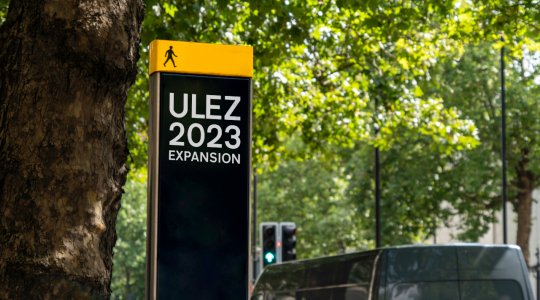
Current owners of diesel cars have already found themselves targeted by initiatives such as London’s ultra-low emissions zone (ULEZ). Drivers of cars with diesel engines registered before September 2015 must pay to enter Greater London, with the aim of improving air quality within the zone.
Although they still make sense for anyone needing to cover high mileages, there’s no doubt that diesel cars are slowly being phased out and the ban due to come into force in 2035 will only make them rarer. The country’s vehicle stock naturally ages over time and older diesel cars being scrapped will not be replaced by similar new models, but by eco-friendly cars instead.
Alternatives to Diesel Cars
In many ways, it is tricky to argue that electric vehicles could replace diesel due to the mileage limitations restricted by the battery charge and availability of charging points.
However, new vehicle fuels are being developed all the time and businesses are starting to look elsewhere for green fuel equivalents. These include compressed or liquefied natural gas, which can be pricey, or HVO (hydrotreated vegetable oil), an excellent alternative made from 100% renewable materials. The advantages of HVO include that it emits up to 90% fewer greenhouse gas emissions, is easy and safe to store, and should be accessible to vehicles with diesel engines without the need for modification. The only current drawback to HVO is its lack of accessibility.
How Leasys Can Help Transition from Diesel
Although 2035 may currently seem a long way off, for businesses in particular, transitioning away from diesel sooner rather than later can only be a good idea. Although the upfront costs involved in cutting diesel vehicles from business fleets may seem prohibitive at first, cost savings including not having to pay the ULEZ charge for those operating in Greater London and the lower cost of charging the battery in an electric vehicle compared with refuelling from a diesel pump could lead to greater financial gains in the long-term.
Whether you are a private or business customer looking to get a jump on the UK’s diesel ban, Leasys can help you explore the option of leasing one or several electric vehicles. Not only will this help ease the cost of the transition, the short-term commitment of leasing rather than purchasing a vehicle outright will give you greater flexibility as time goes on. Contact a Leasys advisor today to find out more.