

Electric Charging Made Simple
How to Charge an Electric Vehicle: A Complete Guide for UK Drivers
Electric Vehicles (EVs) are easy to drive—but understanding how and where to charge them can feel overwhelming at first. This page simplifies the process, helping you confidently charge your EV at home, at work, and on the go.

Shift Your Mindset: Charge When You Stop, Not Stop to Charge
Unlike petrol or diesel cars, electric vehicles benefit from a new approach: charge when you stop. Think of it like charging your phone—plug in while you're at the gym, supermarket, or parked at work. With this mindset, even a 200-mile range is often more than enough for daily use.
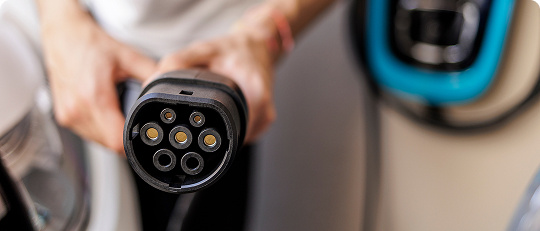
Home Charging: The Most Convenient and Cost-Effective Option
If you have off-street parking, home charging is the easiest and cheapest way to power your electric vehicle. While a standard 3-pin socket works, installing an EV charger at home significantly reduces charging time and improves safety.
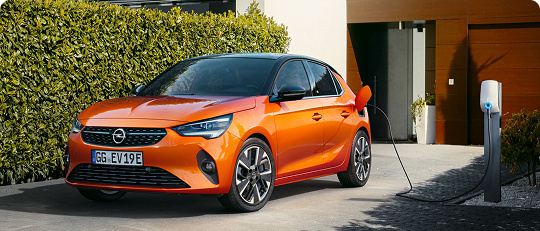
No Driveway? No Problem: Flexible Charging Options for Every Lifestyle
Even without a driveway, driving an electric car or an electric van is still practical. Many public places—like gyms, supermarkets, and retail parks—offer charging stations. You likely won’t need to charge daily, so planning is key.
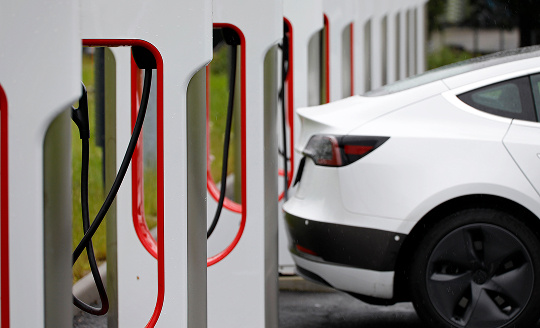
Workplace Charging: Doubling Your Daily Range
More employers are installing EV chargers in workplace car parks. This not only extends your daily range but also supports sustainable commuting. Many companies manage access through shared calendars, WhatsApp groups, or Microsoft Teams.
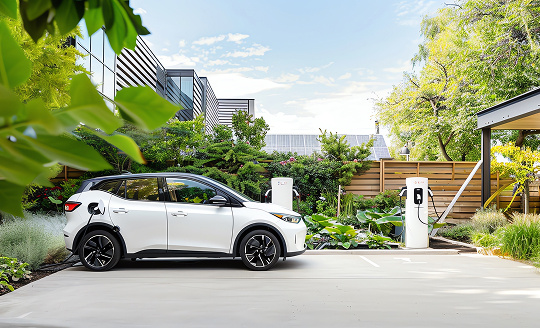
Community Charging: Share and Earn with Neighbours
Community charging platforms like Co-Charger let you rent or borrow home chargers. If you have an EV charger, you can earn money by sharing it with nearby drivers. It’s a smart, flexible solution for areas with limited infrastructure.
Public Charging Network: Growing Fast Across the UK
The UK now boasts one of Europe’s largest public charging networks. With new stations added daily, access is easier than ever. Use apps to find real-time availability and plan your route with confidence.
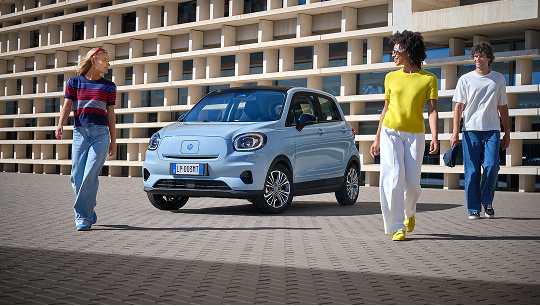
Destination Charging: Power Up While You Shop or Stay
Destination chargers are located where you’re likely to spend time—train stations, hotels, supermarkets. They let you charge while you go about your day, making electric vehicle ownership more convenient than ever.
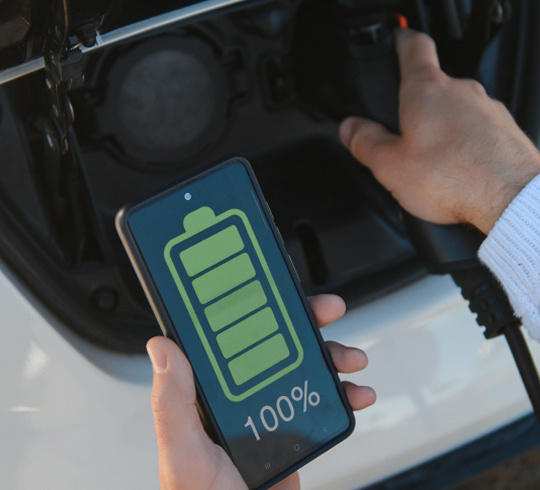
Rapid Charging: Fast Power on the Move
Rapid chargers on motorways and A-roads can add around 100 miles of range in just 30 minutes. Perfect for long trips, they’re designed for quick top-ups during rest stops.
Understanding Charging Levels: Level 1, 2, and 3 Explained

Level 1: Standard 3-pin plug. Very slow—best used only in emergencies.

Level 2: Wallbox or public chargers. 5–15x faster than Level 1.

Level 3: Rapid chargers. Full charge in 15–60 minutes, ideal for travel.
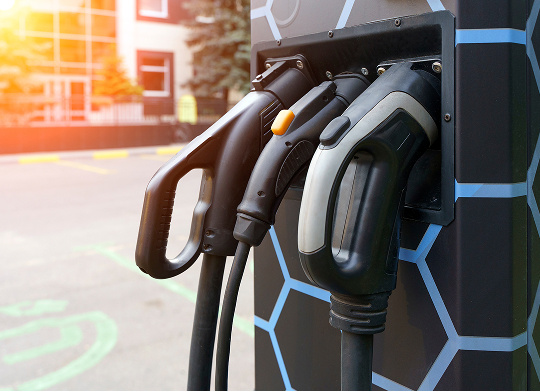
Know Your Connectors: Type 2, CCS, and More

Type 2: This is the most common type in the UK. Found at homes, supermarkets, and public chargers.

CCS: Used for rapid charging. The cable is attached to the charger—just plug in.

Type 1 & CHAdeMO: Older connectors, which are mostly phased out in favour of Type 2 and CCS.

Key highlights

Plan Ahead: Avoid Range Anxiety with Smart Charging Habits
An electric car or electric van will give you plenty of warning before the battery runs low. Use apps to plan charging stops in advance and always have a backup location in mind—just like finding the cheapest petrol station.

Breakdown Support: EV-Friendly Roadside Assistance
Leading UK breakdown services like the AA and RAC are fully equipped to assist electric vehicle drivers. If you need help, just let them know you’re driving electric—they’ll handle the rest.

Embrace the EV Lifestyle
By adopting a “charge when you stop” mindset and planning ahead, you’ll unlock the full benefits of driving electric - lower costs, reduced emissions, and a smoother driving experience.

Which Electric Car or Van to Choose
A beginners guide to Electric Vehicles (EVs)

Why Choose Electric
Find out the benefits of driving electric

Electric Car and Van Maintenance
Everything you need to know about maintaining your electric vehicle

Electric Vehicle Myth Busting
Separating fact from fiction – find the answers to your EV queries

Why Transition Your Fleet to Electric
Everything that you need to know about transitioning to an electric fleet

Find your perfect electric car or electric van