
How to Drive an Automatic Car: A Guide for Beginners
Although an automatic car is, in theory, simpler to drive than a manual, if you’ve never attempted to drive an automatic before, it can take a little while to get the hang of it.
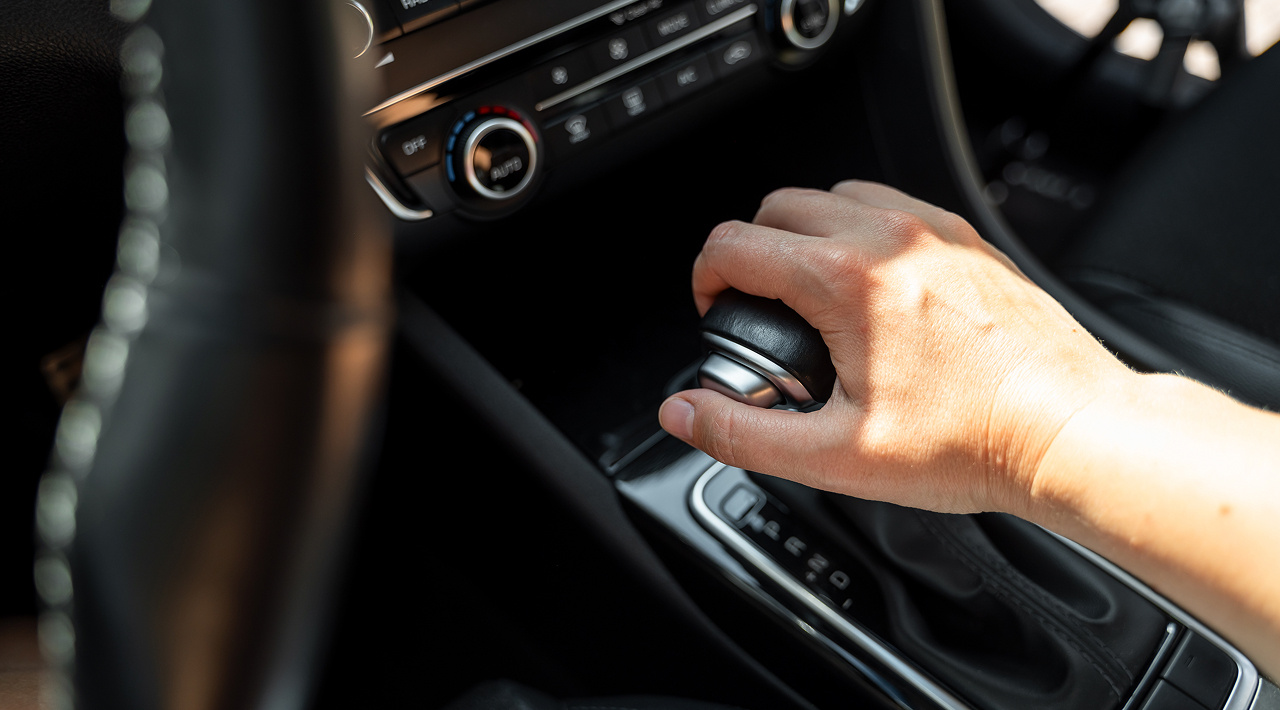
While an automatic car does change gear for you, you still need to select the different driving modes.
In this article we take you through the process, offering tips on how to drive an automatic car and warning you about some of the common pitfalls often encountered by beginners.
Starting and Operating an Automatic Car
Automatic gearboxes are usually very easy to understand, although some confusion can arise when starting or stopping. When you get behind the wheel of an automatic car, it is important to remember that you should start the car with your foot on the brake pedal before shifting from park (P) to drive (D) or reverse (R). This will ensure that the car cannot shoot off once you have released the handbrake.
Hold your right foot down on the left-hand pedal (brake) before starting the ignition. With your foot still on the brake, shift into either D if you want to go forwards or R if you want to go backwards. Then disengage the handbrake.
Lift your foot gently off the brake and the car will begin to creep in whichever direction you have selected.
To speed up, press your right foot down on the accelerator; to slow down move your right foot to the brake.
At the end of your journey, keep your foot on the brake until the vehicle has come to a complete halt. Shift the lever to P (park), apply the handbrake and turn off the ignition.
Tips for Smooth Driving with an Automatic Transmission
Because the gearbox in an automatic car is in charge of going up or down through the gears rather than the driver, it can be tricky to master how to drive smoothly in an automatic car.
The key to a smooth drive comes from avoiding any sudden or jerky movements when accelerating or braking. Gradually increase the pressure with your right foot in either case. Stomping down heavily on the accelerator or brake, or lifting your foot off quickly will cause the gearbox to stutter.
Apply pressure in a fluid motion and the transmission will reward you.
Common Mistakes to Avoid in Automatic Cars
Always make sure you only use your right foot for both pedals, the accelerator and the brake. Do not attempt to use both feet for the pedals or you may not be fully in control of the vehicle.
Hill starts can be tricky in an automatic car. When you are parked facing uphill, make sure you put your handbrake on. You will need to use the handbrake to prevent the car from rolling backwards. Keep your right foot on the brake pedal, shift into drive and slowly release the brake while gently pressing down on the accelerator for a smooth start. Some modern automatic cars come with a Hill Start Assist function.
Drivers often put their automatic car into neutral at traffic lights because they believe it will save fuel. Doing this can damage the transmission, however, and you should instead keep the brake pedal down to keep the gearbox in drive mode unless you are waiting for several minutes.
Finally, do not attempt to change direction until your vehicle has come to a complete stop, for example by putting the car into drive when it is moving backwards. This is very bad for your transmission and will wear out the gearbox quickly. Instead, press the brake pedal until your car has stopped completely before changing the driving mode.
How Leasys Can Assist with Automatic Car Leases
If you’ve never driven an automatic car before but are considering buying one, leasing an automatic is a great way to test out this option before committing to making the long-term switch.
Leasys offer a range of automatic cars in both traditional fuel and electric options. Whether you’re a private or a business customer, contact Leasys today to help choose your next automatic car with the help of one of our customer care advisors.